Treatment for a Deviated Nasal Septum | Dr. Rajeev Singh, ENT Specialist in Gorakhpur
Septoplasty is a common ENT surgical procedure performed to correct a deviated nasal septum, a condition in which the wall separating the two nasal passages is bent or displaced. A deviated septum can make breathing difficult and may contribute to nasal blockage, recurrent sinus problems, snoring, and other breathing-related concerns.
Dr. Rajeev Singh, ENT Specialist in Gorakhpur, provides comprehensive evaluation and treatment for patients experiencing nasal breathing difficulties and conditions related to a deviated septum.
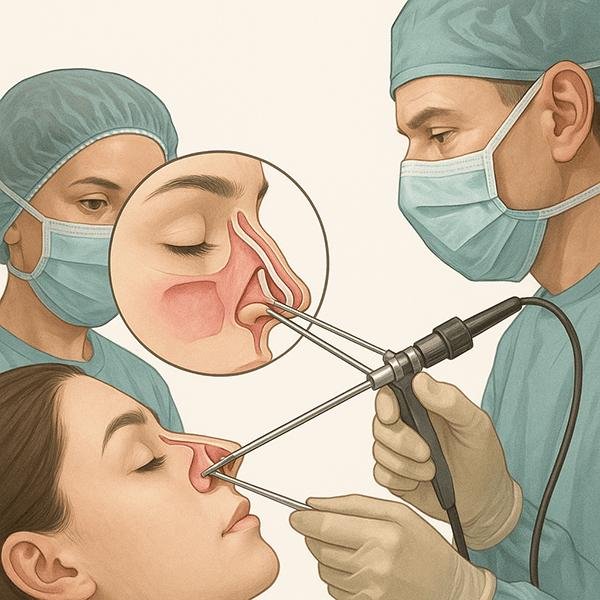
What Is a Deviated Nasal Septum?
The nasal septum is made of bone and cartilage and divides the nose into two passages. Ideally, it should be relatively straight. However, injury, congenital factors, or natural growth can cause the septum to become deviated.
A deviated septum may result in one side of the nose being narrower than the other, making normal breathing more difficult.
Common Symptoms of a Deviated Septum
Patients with a deviated nasal septum may experience:
- Difficulty breathing through the nose
- Persistent nasal blockage
- One-sided nasal obstruction
- Frequent nasal congestion
- Recurrent sinus symptoms
- Nosebleeds in some cases
- Snoring or disturbed sleep
- Mouth breathing
- Head or facial discomfort in some patients
The severity of symptoms can vary from person to person. An ENT examination is important to determine the underlying cause.
What Is Septoplasty?
Septoplasty is a surgical procedure designed to straighten and reposition the deviated portions of the nasal septum. The goal is to improve airflow through the nose and relieve symptoms caused by significant septal deviation.
The procedure is generally performed by an ENT surgeon after a detailed examination of the nose and nasal passages.
When Is Septoplasty Recommended?
Septoplasty may be considered when a deviated septum causes significant symptoms such as persistent nasal obstruction or breathing difficulty that does not improve adequately with medical treatment.
An ENT specialist may recommend surgery after evaluating the patient’s symptoms, nasal structure, medical history, and examination findings.
Benefits of Septoplasty
Depending on the individual condition, septoplasty may help:
- Improve nasal breathing
- Reduce persistent nasal obstruction
- Improve airflow through the nasal passages
- Reduce problems associated with a significantly deviated septum
- Improve sleep-related breathing symptoms in selected patients
Septoplasty is not performed simply because a septum looks slightly crooked; the decision is usually based on symptoms and clinical findings.
Septoplasty Recovery
Recovery after septoplasty varies from patient to patient. Some nasal congestion or swelling may occur during the initial recovery period. Patients should follow their ENT surgeon’s instructions regarding medications, nasal care, physical activity, and follow-up visits.
The time required for complete healing can vary, so regular follow-up with the treating ENT specialist is important.
Why Choose Dr. Rajeev Singh for Septoplasty in Gorakhpur?
Dr. Rajeev Singh, ENT Specialist in Gorakhpur, provides personalized evaluation and treatment for nasal obstruction, deviated nasal septum, sinus problems, and other ENT conditions.
The treatment approach is selected according to the patient’s symptoms, examination findings, and individual needs.
Book an ENT Consultation
If you have persistent nasal blockage, difficulty breathing through your nose, frequent sinus symptoms, or suspected deviated nasal septum, consult an experienced ENT specialist for proper evaluation.
Dr. Rajeev Singh – ENT Specialist in Gorakhpur
Specialized care for Septoplasty, Deviated Nasal Septum, Nasal Obstruction, Sinus Problems, and other ENT conditions.