

Dysphagia: Causes, Symptoms, Diagnosis & Treatment | Dr. Rajeev Singh, ENT Specialist in Gorakhpur
Dysphagia, commonly known as difficulty in swallowing, is a condition in which a person has trouble swallowing food, liquids, or even saliva. It can affect people of any age and may occur due to problems involving the mouth, throat, food pipe (esophagus), nerves, or muscles involved in swallowing.
If swallowing difficulty is persistent or worsening, timely evaluation by an ENT specialist is important. Dr. Rajeev Singh, ENT Specialist in Gorakhpur, provides evaluation and treatment for various throat and swallowing-related problems.
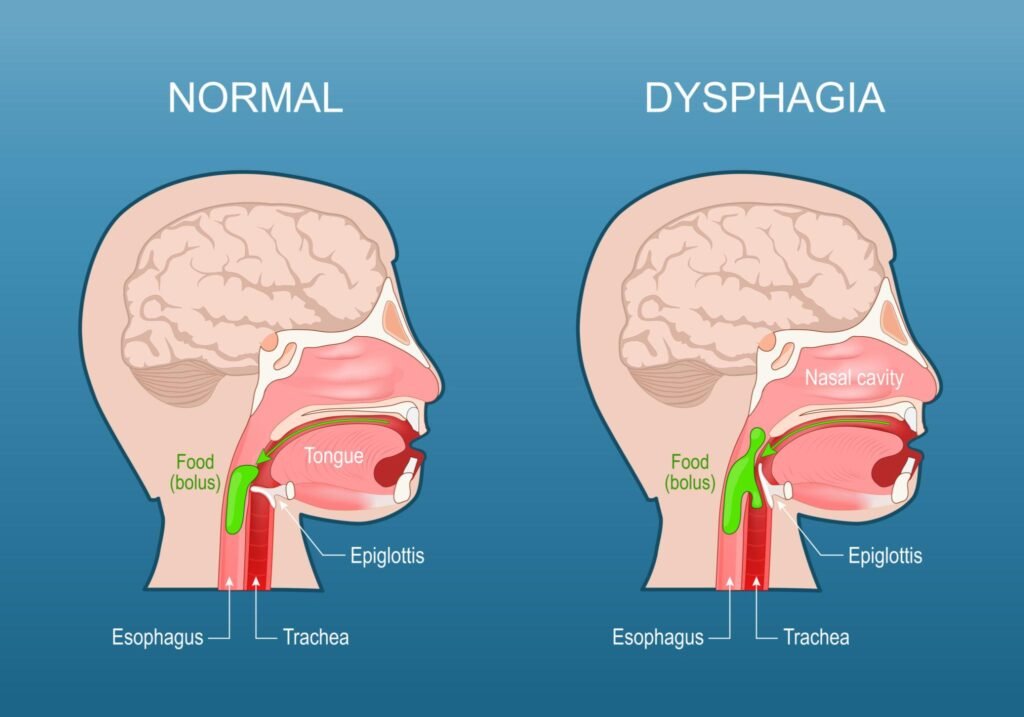
What is Dysphagia?
Dysphagia means difficulty or discomfort while swallowing. Some people may feel that food is stuck in the throat or chest, while others may cough or choke while eating or drinking.
Dysphagia can be temporary, such as during a throat infection, or may be associated with an underlying medical condition that requires proper diagnosis and treatment.
Common Symptoms of Dysphagia
Symptoms of swallowing difficulty may include:
- Difficulty swallowing solid foods or liquids
- Feeling that food is stuck in the throat
- Pain while swallowing
- Coughing or choking during meals
- Frequent throat clearing while eating
- Change in voice after swallowing
- Excessive saliva or drooling
- Unexplained weight loss
- Recurrent chest or respiratory infections
- Avoiding certain foods because of swallowing difficulty
Common Causes of Dysphagia
Dysphagia can have several causes, including:
- Throat infections and inflammation
- Tonsil or adenoid problems
- Gastroesophageal reflux disease (GERD)
- Esophageal narrowing or obstruction
- Neurological disorders
- Stroke-related swallowing problems
- Muscle disorders affecting swallowing
- Head and neck conditions
- Tumors or cancers of the throat or food pipe
- Age-related changes in swallowing function
Identifying the exact cause is essential because treatment depends on the underlying problem.
How is Dysphagia Diagnosed?
An ENT specialist may begin with a detailed medical history and examination of the mouth, throat, neck, and voice. Depending on the symptoms, additional investigations may be recommended.
These can include:
- Flexible nasopharyngoscopy or laryngoscopy
- Swallowing assessment
- Endoscopic examination
- Imaging studies
- Barium swallow or other swallowing studies
- Referral for specialized swallowing evaluation when required
A proper diagnosis helps determine whether the problem originates in the throat, swallowing muscles, nerves, or esophagus.
Treatment for Dysphagia
Treatment depends on the cause and severity of dysphagia. Depending on the diagnosis, management may include medicines, dietary modifications, swallowing therapy, treatment of reflux or infection, or surgical intervention when necessary.
Some patients may benefit from specialized swallowing rehabilitation, while structural problems may require an ENT procedure or surgery.
When Should You See an ENT Specialist?
You should consult an ENT specialist if swallowing difficulty is persistent, recurrent, painful, or associated with choking, weight loss, voice changes, or a sensation of food getting stuck.
Difficulty swallowing should not be ignored, particularly when symptoms develop suddenly or progressively.
Dysphagia Treatment in Gorakhpur
If you are experiencing difficulty swallowing, throat discomfort, choking while eating, or a persistent sensation of food sticking in your throat, professional evaluation can help identify the underlying cause.
Dr. Rajeev Singh, ENT Specialist in Gorakhpur, offers comprehensive evaluation and treatment for throat, voice, swallowing, ear, and nose-related conditions.
Book an ENT Consultation
For persistent swallowing problems, consult an experienced ENT specialist for timely evaluation and appropriate treatment.